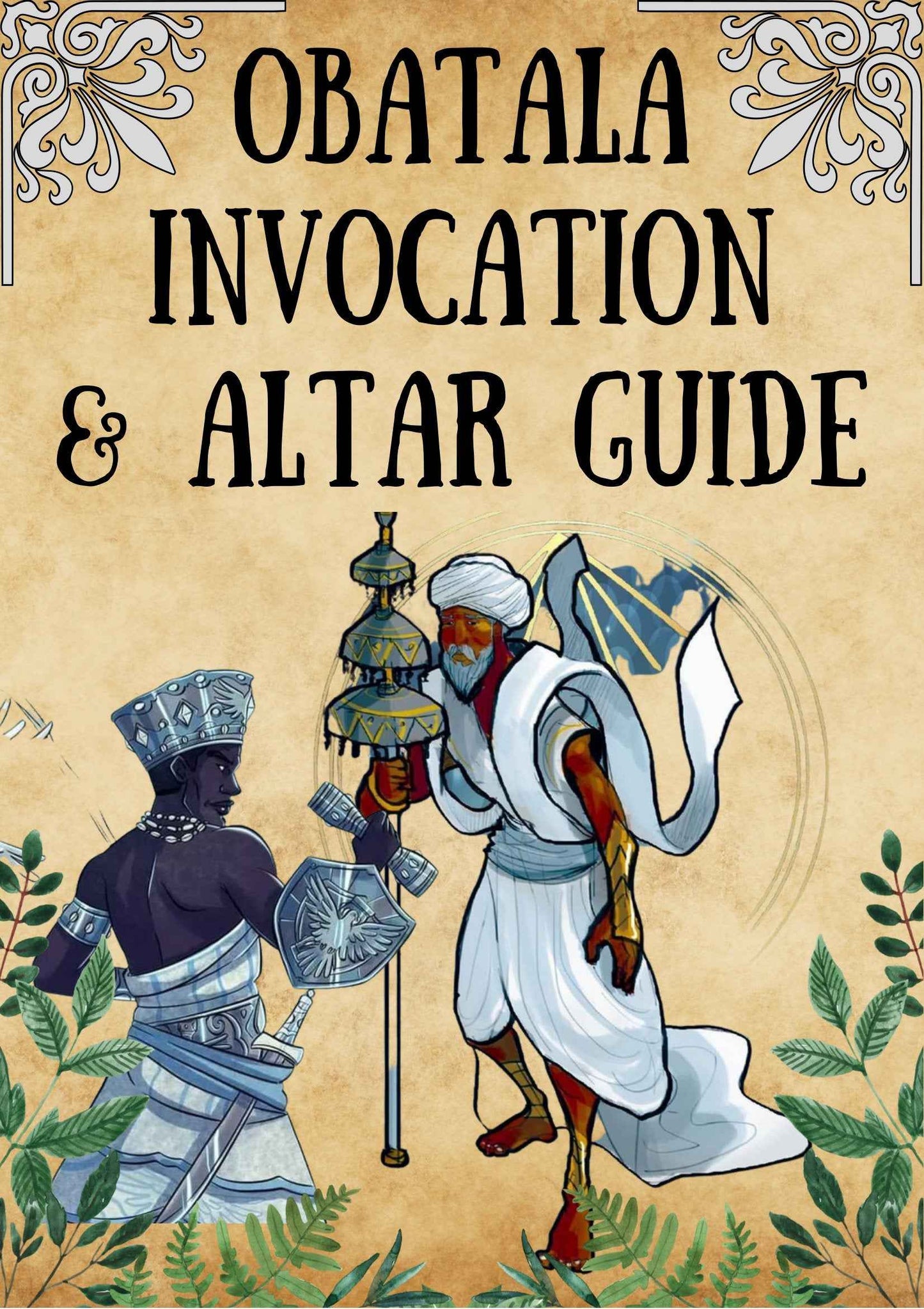
Book Of Shadows Pages
Book Of Shadows Pages
Book Of Shadows Pages
This is a gigital download, you will recieve a text file with the download link in it. This link will take you to a file storage to download the book of shadow pages.
These are book of Shadow Pages - Altar Guides. This is your Ultimate bundle with 140 + different packages on different subjects: I add to this collection often.
Including:
Crystals
Demonology
Sound Healing
Fire Magic
Sacred Oils
Gods And Goddesses
Invocations
Spell jars
runes
and many many more
You will receive a download link to a third party hosting site, to download your files.
Keep this link to have access to this folder as i add more pages to it, you will have access to any new pages that are added
Book Of Shadows
A Book of Shadows is a personal journal or grimoire used by witches, Wiccans, and other practitioners of magic to record spells, rituals, magical theory, and personal experiences. The term "Book of Shadows pages" refers to the individual entries or sections within this book.
These pages are highly personal and serve as a living, growing reference guide to a practitioner's magical path. They can be handwritten, typed, drawn, or printed, and their content is as unique as the person who creates them.
What to Include in Book of Shadows Pages
A Book of Shadows is a repository for all the knowledge and experiences you want to preserve. While there are no strict rules, here are some common categories and ideas for what to include on your pages:
1. Foundational Information & Magical Theory
The Wheel of the Year: Pages dedicated to each of the eight Sabbats (e.g., Samhain, Yule, Beltane) with information on their history, associated deities, symbols, and ritual ideas.
Esoteric & Divination: Information on tarot card meanings, rune interpretations, astrology, numerology, and other forms of divination.
Magical Correspondences: Charts listing the associations of different elements, herbs, colors, crystals, and moon phases with specific magical intentions.
2. Rituals & Spells
Spells: Instructions for spells you have created or found, including ingredients, steps, and incantations. It's a good practice to also record the outcome of the spell, both positive and negative.
Rituals: Detailed plans for rituals, such as those for a full moon, a new moon, or a specific deity.
Invocation & Banishing: Pages dedicated to calling upon and respectfully dismissing energies, deities, or spirits.
3. Practical & Herbal Knowledge
Herbarium: A personal record of herbs and their magical, medicinal, and culinary uses. This can include drawings or pressed samples of the herbs.
Crystal Guide: A list of crystals you own or work with, detailing their properties, how to cleanse and charge them, and how to use them.
Altar Setup: A diagram or description of your personal altar and the symbolic meaning of each object on it.
4. Personal Records & Reflections
Dream Journal: Record your dreams, which can offer intuitive insights and messages.
Magical Experiences: Document any unusual or significant magical experiences, synchronicities, or encounters.
Reflections: Personal thoughts on your spiritual path, lessons learned, and intentions for your practice.
Deities & Guides: Pages dedicated to the deities, spirits, or spirit guides you work with, including their stories, symbols, and how you communicate with them.
How to Create Your Pages
The way you create your pages is entirely up to you and should reflect your personal style.
Handwritten: The most traditional and personal method. Writing each page by hand imbues it with your own energy and intention. You can use different pens, calligraphy, and colored inks to make it visually appealing.
Digital: Creating a Book of Shadows on a computer or tablet is a modern, convenient option. You can use programs like OneNote, Evernote, or even a simple word processor. This makes it easy to add photos, create hyperlinks, and back up your work.
Printed: Some practitioners use pre-made, printable Book of Shadows pages available online. These are a great starting point and can be customized with your own notes and drawings.
Mixed Media: Combining different methods is a popular approach. You might write a ritual by hand, print a complex chart, and paste a photograph into your book.
The key to a good Book of Shadows page is that it is a tool for learning and growth. Don't worry about making it perfect. The most powerful pages are those that are filled with your own wisdom, personal discoveries, and genuine magical journey.
Altar
A spiritual altar is a dedicated space, table, or surface used for meditation, prayer, ritual, and spiritual practice. It serves as a personal sanctuary and a focal point for connecting with a higher power, your inner self, or the energies of nature. An altar is not merely a decorative shelf; it is an active tool for intention, focus, and devotion.
Creating and maintaining an altar is a deeply personal process, and there are no strict rules. The most important guide is your own intuition.
Step 1: Clarify Your Intention
Before you place a single item, ask yourself: What is the purpose of this altar? Your intention will guide every decision you make.
A General Purpose Altar: For daily meditation, prayer, and grounding.
An Altar for a Specific Deity: To honor a particular god, goddess, or spiritual guide.
A Seasonal Altar: To celebrate the changing seasons, like the Wheel of the Year.
An Ancestral Altar: To honor and remember loved ones who have passed.
An Altar for a Specific Purpose: For a ritual focused on healing, prosperity, or protection.
Step 2: Choose and Prepare Your Space
The location of your altar should feel special and undisturbed.
Location: Find a quiet corner in a bedroom, a windowsill, or a small table in a peaceful part of your home. It can even be a shelf in a closet if you need privacy.
Direction: Many traditions align their altars with a specific cardinal direction (e.g., North for grounding, East for new beginnings). Follow your intuition on what feels right for you.
Cleanse the Space: Before you set anything up, physically clean the surface. Then, energetically cleanse the area using a smudge stick (like white sage or palo santo) or by sprinkling saltwater in the corners.
Step 3: Gather Your Essential Components
While your altar should be unique to you, there are some common symbolic elements that can be included. Think of them as representing the four elements of nature:
Earth (For Grounding & Stability):
Representation: A bowl of salt, a crystal geode, a potted plant, stones, a bowl of sand or soil, or a feather.
Purpose: To connect you to the physical world and to provide a sense of stability.
Air (For Communication & Clarity):
Representation: Incense, a feather, a bell, or wind chimes.
Purpose: To carry your intentions, prayers, or messages to the divine and to represent mental clarity.
Fire (For Illumination & Willpower):
Representation: Candles, a lit incense stick, or a lamp.
Purpose: To symbolize transformation, passion, energy, and the light of divine presence.
Water (For Flow & Emotion):
Representation: A cup or bowl of fresh water, a seashell, or a chalice.
Purpose: To represent intuition, emotions, cleansing, and the flow of life.
Step 4: Add Personal & Symbolic Items
This is where your altar becomes uniquely yours. Add items that are meaningful to you and align with your intention.
Deity/Spiritual Guide: A statue, a photo, or an image representing the deity, saint, or guide you honor.
Crystals: Select crystals whose properties align with your intention (e.g., Amethyst for spirituality, Rose Quartz for love).
Photos: Place photos of loved ones, ancestors, or mentors you wish to honor.
Offerings: A small bowl for offerings like flowers, herbs, fruits, or a small amount of wine or honey.
Tools: Magical or spiritual tools you use, such as a wand, a ritual knife (athame), or tarot cards.
Step 5: Maintain and Use Your Altar
Your altar is a living part of your spiritual practice.
Daily Practice: Dedicate a few minutes each day to your altar. This could be as simple as lighting a candle, offering a short prayer, or just sitting in quiet contemplation.
Change It Up: Don't be afraid to change the items on your altar to reflect your current needs, the seasons, or a new intention.
Keep It Clean: Regularly dust and clean your altar to ensure the energy remains clear and positive. Your altar is a reflection of your inner spiritual state; a tidy altar promotes a tidy mind.
Product features
Product features
Materials and care
Materials and care
Merchandising tips
Merchandising tips
Share